So I was thinking about wallets the other day. Wow! Phantom kept coming up in my head, not because of hype, but because of real use. Initially I thought it was just another pretty UI, but then I used it for a week straight and things changed. My instinct said it was smoother than most. Hmm… there were moments that felt oddly polished and other moments that felt like they needed work.
Honestly, using Phantom feels like using a modern mobile banking app crossed with a dev tool. Seriously? Yes. The basics are clean: quick account setup, clear network indicators, and integrated token swaps. But here’s the thing. Under the surface there’s a lot of nuance about key management, phishing resistance, and extension behavior that people gloss over. On one hand it’s delightful; on the other hand you still need to be very careful.
What makes Phantom stand out (short version)
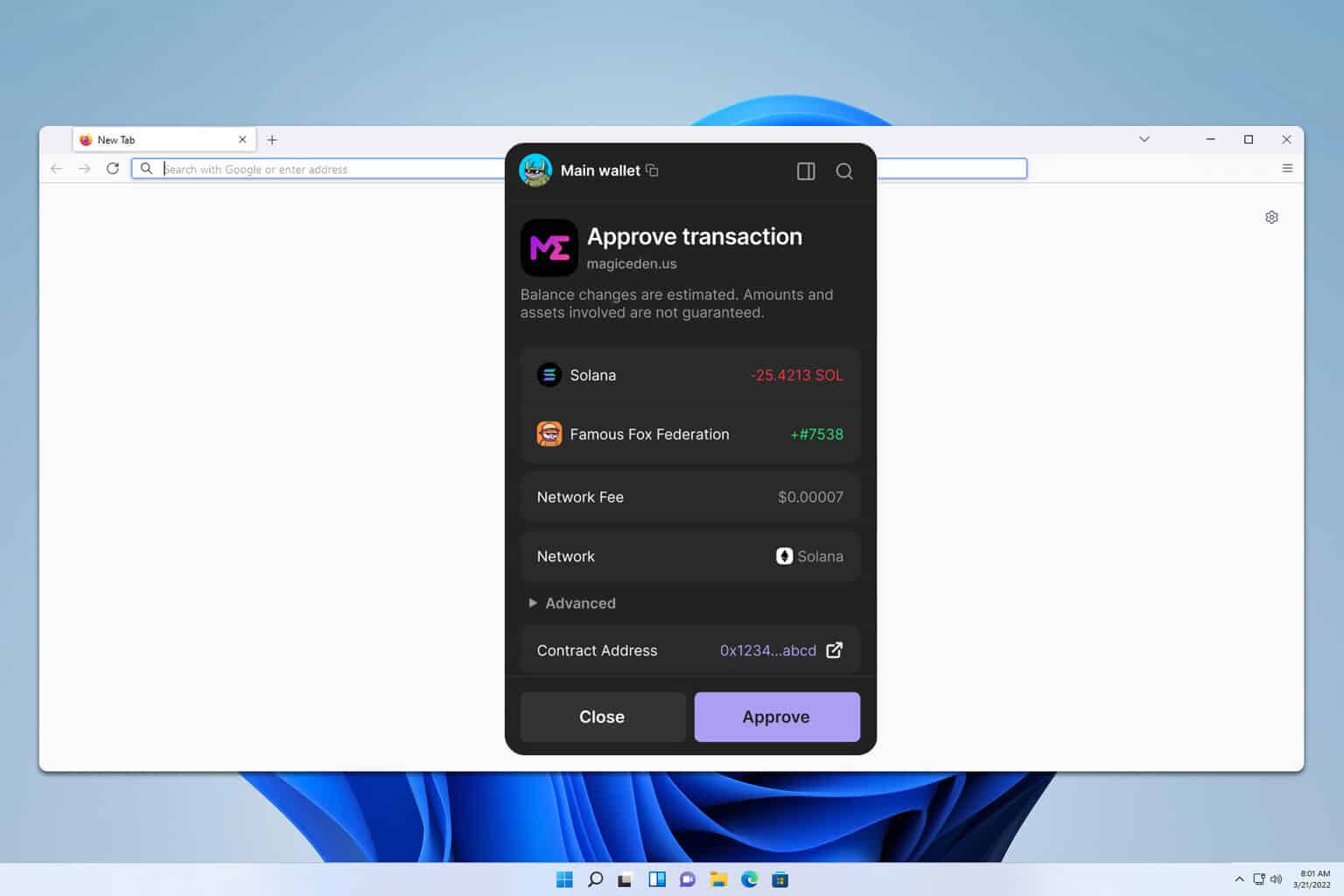
Fast UI. Native Solana signing. Nice UX for NFTs. My gut liked the transaction flow immediately. It reduces friction when you move between marketplaces and DeFi dApps. But don’t assume speed equals safety. Something felt off about some permission prompts at first. Actually, wait—let me rephrase that: the prompts are fine, but a novice might approve without reading. So teaching people to inspect domains and permissions is very very important.
Here’s a quick checklist from my experience. First, lock the extension when idle. Second, use hardware keys for large balances if you can. Third, double-check the URL of the site you’re connecting to. Oh, and by the way… keep your seed phrase offline. Those are basics, but they still trip people up.
Extension vs. Mobile App: When to use which
Most of my heavier trading and multisig interactions I do on desktop with the extension. The extension is sticky. It remembers your session with dApps, which can be both convenient and mildly spooky if you forget to lock it. Short sentence. Desktop workflows are great for batch approvals and checking contract details. Mobile is cleaner for quick sends and in-person meetups.
My instinct said mobile would be clumsy, but the Phantom app surprised me. It’s polished for wallets, and the recent updates made the token management simpler. Initially I thought I’d never use the app for anything serious. Then I realized it handles small trades and wallet connect flows with surprising reliability. On the flip side, complex contract interactions still belong on desktop.
Installing the browser extension (practical notes)
If you want the extension, grab it from a reliable source. I often point folks to an official distribution page that guides you through the right steps: phantom wallet download extension. Follow the prompts and read the permissions. Really read them.
After install, create a strong password and write down the seed phrase on paper. Seriously, do not screenshot it. Store it in a safe place. Consider a hardware wallet for larger sums. One sentence here. Also, confirm your extension came from the official store and matches the developer identity. That step saved me from somethin’ that coulda been a disaster once.
Security: practical habits that matter
Phantom has improved anti-phishing measures and now warns about suspicious sites, but it’s not magic. Here are habits that actually protect you: lock your wallet between sessions, vet connected domains, and limit automatic approvals. Sometimes I get lazy. I’m not proud of that. But those moments can cost you.
On a technical note, Phantom uses Solana’s signing model so transactions are fast and cheap. That creates a different threat model than Ethereum wallets. Fast transactions mean less time to react, so attention matters. Also, smart contract prompts often show raw data. If you don’t know what a call does, pause. Ask. Look up the contract address. Initially I thought “it’ll be obvious”, though actually—no, it often isn’t.
Common mistakes I see
Number one: trusting a site because it looks real. Number two: approving all permissions in a rush. Number three: reusing seed phrases across testnets and mainnet (yikes). These are human errors more than tech faults. My advice: build two wallets—one for play and one for value. Keep the play wallet for small airdrops and testing.
People also forget to check the Solana cluster they’re on. Mainnet-beta vs. devnet mixups have cost me time. It’s a little embarrassing when you think your transaction failed, only to realize you were on devnet. Double-check the network indicator. It’s a small step that saves face—and funds.
Developer and dApp friendliness
Phantom prides itself on being developer-friendly. APIs like window.solana and adapter patterns are broadly adopted. That means better integration and fewer permission glitches. For builders, Phantom’s design reduces friction for onboarding new users into Solana dApps. That’s a big deal for growth, though it also raises responsibility for devs to prompt users ethically.
One caveat for devs: transaction simulation and clear UX about costs are underused. Users like predictability. If your dApp shows estimated fees and confirms actions in plain language, you’ll get fewer frustrated people. Trust builds quickly that way.
Edge cases and things that bug me
Here’s what bugs me about the ecosystem: wallet connect patterns are still inconsistent across dApps. Some ask for signatures multiple times. Some combine unrelated permissions in one step. That inconsistency makes phishing easier. I’m biased in favor of uniform prompts. That might be an idealist take, sure, but consistency helps everyone.
Also, transaction history in the extension is helpful but limited. I want a richer in-wallet audit view without opening a block explorer. I’m not 100% sure if that’ll come, but I hope so. Small things matter when you live in a wallet all day.
FAQ
Is Phantom safe for beginners?
Yes, relatively. It’s user friendly and includes helpful warnings. But beginners must still learn safe habits: never share seed phrases, verify dApp domains, and use separate wallets for small and large balances. Short sentence.
Can I connect a hardware wallet?
Yes—Phantom supports hardware integrations for added security. Use a hardware key for long-term storage or when moving significant funds. The extra step is worth the peace of mind. Hmm… peace of mind matters.
What about other Solana wallets?
There are solid alternatives with different trade-offs. Some prioritize multisig, others focus on enterprise features. Phantom aims for broad consumer and dApp friendliness. On one hand it’s mainstream, though on the other hand enterprise needs might push you elsewhere.
So, what’s the bottom line? Phantom is a mature, user-friendly wallet that blends convenience with enough security for most users. Really. But your own habits determine whether you stay safe. Initially I thought any wallet would do, but repeated use taught me otherwise. Keep learning, stay skeptical in the right way, and treat your seed phrase like cash. This isn’t theoretical—it’s practical. And, well, that’s my take. I’m curious what you find when you try it out.