Whoa! I remember the first time a swap slipped away from me and it stung. My instinct said I was doing everything right, but something felt off about the mempool behavior and the price slipped before my tx confirmed. Hmm… that moment made me look under the hood. Initially I thought MEV was only for whales and bots, but then I realized it’s a structural risk that touches every user who interacts with liquidity pools, DEXs, and permissionless markets. Okay, so check this out—this piece walks through the real risks, practical defenses, and how to assess a wallet or tool (like a modern Web3 wallet) for MEV protection and transaction simulation.
Short version: MEV is value extracted by controlling the ordering, inclusion, or censorship of transactions. Seriously? Yes. On one hand it’s a technical inevitability because miners/validators and relayers see pending transactions first, though actually on the other hand there are mitigation strategies that help everyday users. Here’s the thing. Some solutions reduce your exposure, some shift the cost, and others introduce new trade-offs or centralization risks. I’m biased toward tools that give you transparency and simulation first, automation second.
Let’s break it down practically. First — the common MEV vectors you should know. Sandwich attacks. Front-running. Back-running and liquidation snipes. Reorg-based extraction (rarer for retail but nonzero). Bots watch mempools for large or vulnerable swaps and then craft sequences that profit at the user’s expense. These attacks aren’t mystical; they rely on predictable behaviors like high slippage tolerance, obvious token pathing, and slow confirmations.
Short checklist: reduce slippage windows, split large orders, use private submission where possible, simulate and preview gas estimations, and prefer wallets that show transaction simulations and MEV warnings. Really? Yup. The small things add up.
Now let’s talk simulation. Simulation is not optional. It’s very very important. A transaction simulator recreates how your tx would execute given current pool states, pending mempool state, and potential front-run scenarios. It tells you expected outputs, possible reverts, and approximate gas consumption. Simulation doesn’t guarantee protection, but it surfaces risk so you can make a decision before you sign.
Why transaction simulation matters — and what to look for
Whoa! Simulated outputs reveal slippage and failed pathing before gas is wasted. Medium risk trades should always be simulated. Longer thought: simulation that models pending mempool state and hypothetical bot responses — including sandwich possibilities — is substantially more useful than a naive static state replay, because bots act on pending transactions and can change pool prices before your transaction lands.
Here’s a practical rubric for simulation quality. Does the tool simulate against the latest pending state? Does it show potential sandwiched price impact? Does it estimate MEV extraction cost or flag suspiciously profitable patterns for bots? Does it let you preview a tx bundle or private relay submission? If the answer is no to most of these, you’re missing a layer of defense.
I’ll be honest — not every wallet offers this. Some wallets only show gas and calldata. That bugs me. Somethin’ as basic as a visualized simulated price curve helps you decide whether to proceed. (Oh, and by the way… watch the nonce behavior if you’re submitting multiple sequential txs.)
Okay, so what about direct MEV protections? There are approaches with different trade-offs. Private mempools and relayers (like Flashbots-style systems) can help by bypassing the public mempool, reducing frontrunning risk. Transaction bundling can lock in order and avoid being sandwiched. On the flip side, relying on a private relay introduces centralization and counterparty trust.
Initially I thought private relays were the panacea, but then I realized they shift trust rather than eliminate risk. Actually, wait—let me rephrase that: for many retail users, private submission via a reputable relayer can be a net gain if the wallet integrates it seamlessly and transparently. The key is transparency and fallback paths.
Another option is gas price stratagems. Sometimes bidding higher gas or using priority fees can out-compete opportunistic bots. That can work briefly, though it often increases your cost and arms race dynamics. Also — beware of dumbly raising gas for every trade. That’s not sustainable for regular users.
Risk assessment: a short mental model you can carry to the DEX. Medium trades, high APR pools, or low-liquidity tokens equal higher MEV risk. Large trades in thin books? High risk. Repeated trades with predictable patterns? High risk. Small trades in deep pools? Lower risk. Long story short: know the environment and adjust slippage/strategy accordingly.
Now—wallet features that matter. Short list. Simulation of pending state. Private relay / bundle submission. MEV detection and warnings. Slippage control exposed at the UI level. Nonce management and easy tx replacement. Clear visibility into gas strategy. And a good defaults policy that errs on user protection. If a wallet markets itself as “fast” but hides simulation and MEV warnings, that’s a red flag.
Why rabby wallet and similar tools are relevant
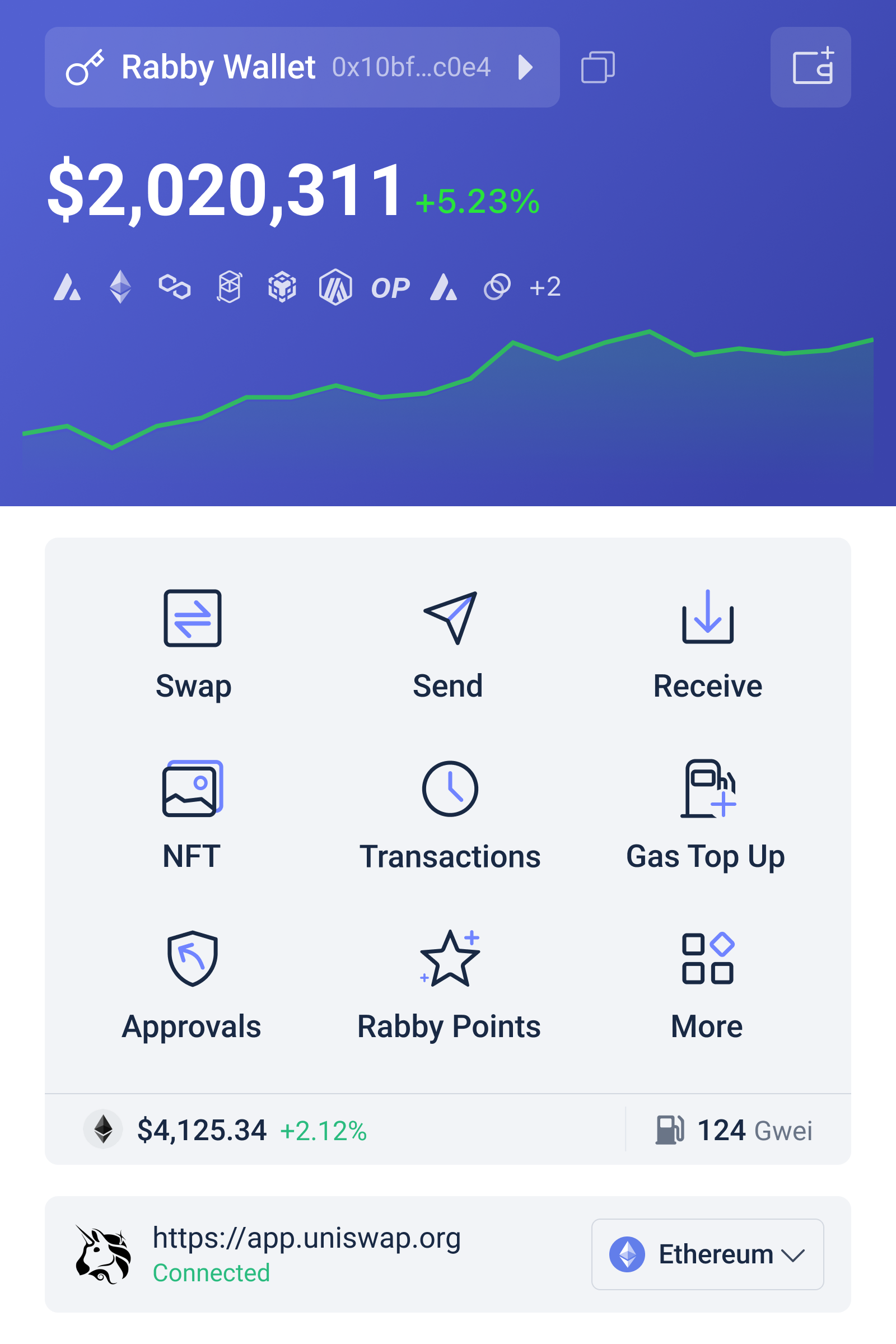
Check this out — a wallet that integrates simulation and MEV-aware features changes your decision loop. The wallet surface becomes the point where risk is measured, not just where signatures are collected. For example, a wallet that offers pre-signature simulation, shows slippage sensitivity, and optionally submits to private relays reduces surprise. I recommend looking at tools that prioritize simulation and user-facing risk metrics, like rabby wallet, because they put actionable information front and center instead of burying it.
Small caveat: even the best wallet can’t stop every attack. You still need good habits. Split large orders, use limit orders where possible, and when uncertain, take a breath and simulate again. My workflow often includes a quick mempool scan, simulation, and then a private submission if the trade is material. That has reduced annoying slippage incidents for me, though I’m not 100% sure it’s bulletproof — nothing is.
Technical nuance: MEV protection often trades off between latency and centralization. Private relays reduce exposure but concentrate power. On-chain mitigations like fair sequencing services or cryptographic commit-reveal schemes are promising but not widely consumer-friendly yet. So pragmatically, users should favor transparency and options rather than lock-in to a single method.
Here’s a quick decision map for users. Short steps: simulate first. Decide slippage tolerant. If trade is large, split or use a private relay. Use wallets that expose simulations and MEV warnings. Keep an eye on nonce management and tx replacement. And document your losses — patterns will emerge and teach you fast.
FAQ
What is the single best thing I can do to avoid MEV losses?
Simulate before signing and lower your slippage tolerance. Really. Simulation surfaces potential sandwiches and reverts, and tight slippage prevents bots from profiting on small price moves. Combine that with private relay submission for larger swaps when available.
Does paying more gas prevent MEV?
Sometimes — paying higher priority fees can out-bid opportunistic bots for inclusion, but this is an arms race and quickly becomes expensive. Use it sparingly and rely on better positional defenses like bundling and private submission.
Can wallets fully protect me?
No wallet is a silver bullet. The best wallets make risk visible, simulate realistic outcomes, and give you options like private relays and nonce controls. Use those features, develop cautious habits, and accept that residual risk will remain.